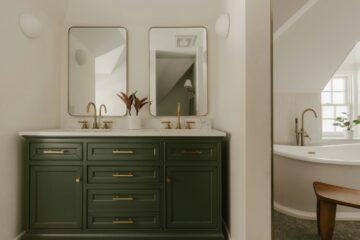
Household Clutter is often dismissed as just a mess, but it can actually reveal a lot about what’s going on in your life. Many people don’t realize that the state of their environment is closely connected to their mental and emotional well-being.
Research shows that clutter and chaos in your surroundings can contribute to anxiety and mental overwhelm, making it harder to focus, relax, and feel in control. Understanding what your clutter is telling you is the first step toward creating a home that supports your peace of mind and daily happiness.
When Clutter Becomes a Signal That Something Needs to Change
When clutter starts to pile up, it’s rarely just about the stuff itself. It often signals deeper issues like stress, outdated systems that no longer fit your lifestyle, or emotional attachments that make letting go difficult.
For example, you might find yourself reorganizing the same drawer repeatedly without lasting results, or avoiding certain spaces because they feel overwhelming. These patterns are clues that your current organizing methods aren’t working for you, and it’s time to rethink your approach.
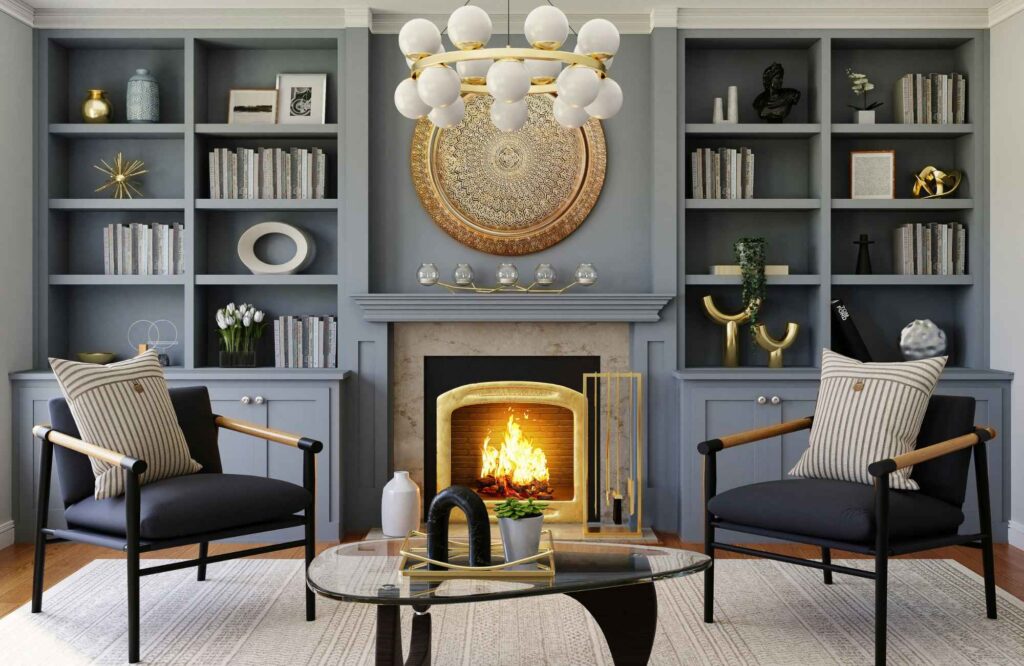
The Connection Between Clutter and Mental Load
One important insight is that clutter can reflect mental load — the invisible weight of all the tasks, decisions, and responsibilities you carry daily. When your environment is cluttered, it can amplify that mental load, making it feel like there’s no escape from the chaos. Recognizing this connection helps you approach decluttering not just as a physical task, but as a way to reduce stress and reclaim your mental space.
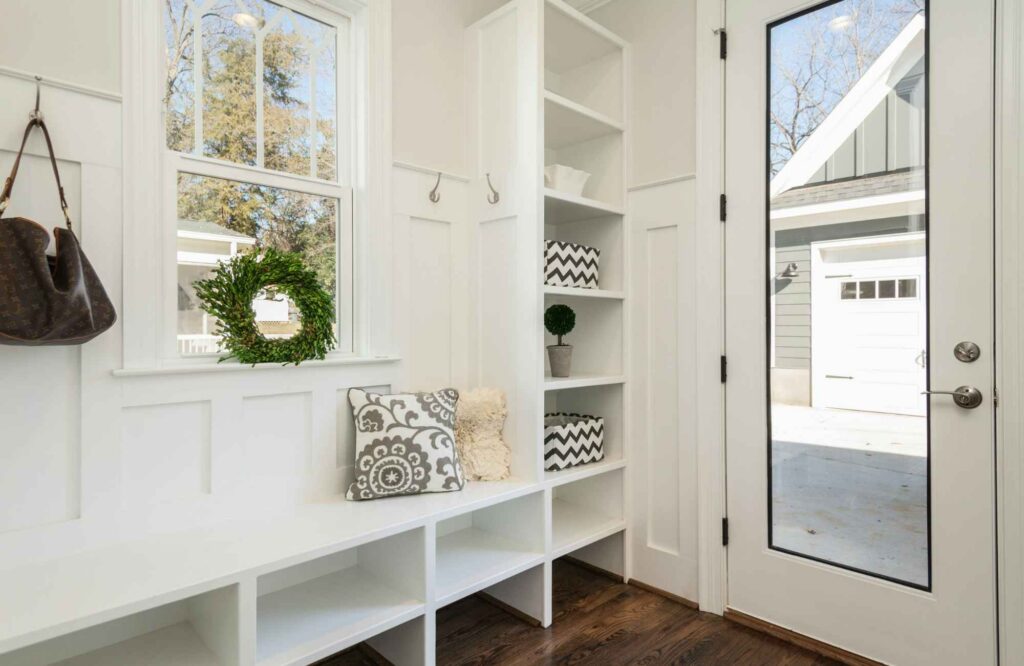
The Emotional Reasons We Hold On
What clutter reveals about your life goes beyond the physical. It uncovers emotional stories and patterns that influence your habits. You might hold onto items because of guilt about money spent, fear of needing them someday, or sentimental attachments.
These feelings are normal, but they can keep you stuck in clutter cycles. By becoming aware of these emotional ties, you can start to make decisions that honor your feelings while freeing up space for what truly matters.
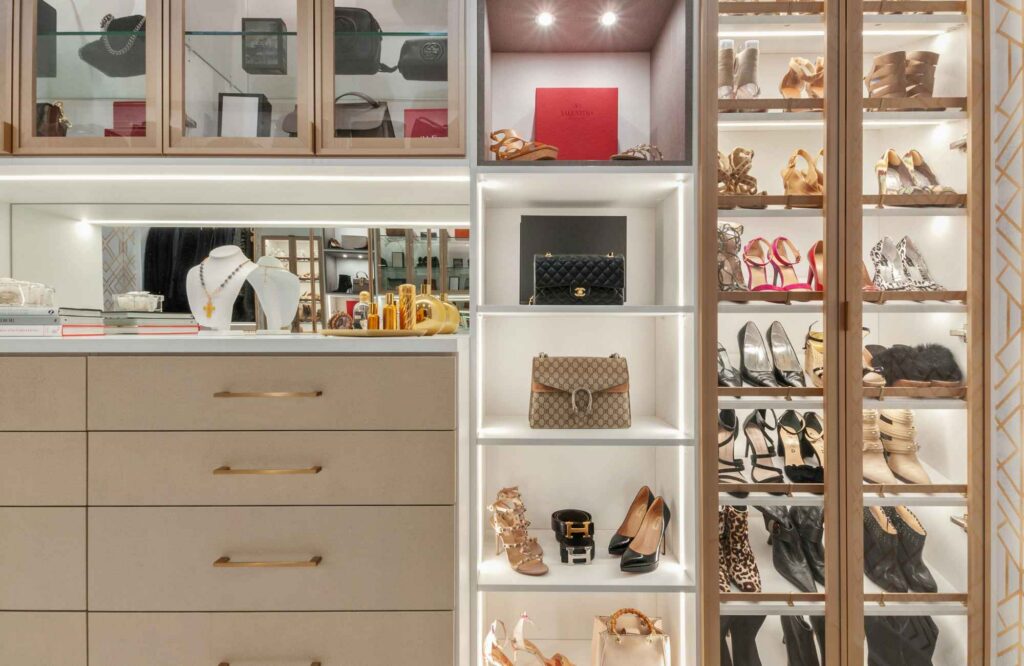
Creating Systems That Support Real Life
Creating organizing systems that work for you means moving away from the idea of “perfect” solutions and instead focusing on what fits your real life. This might mean designing simple, low-effort systems that reduce decision fatigue, or setting up “drop and go” zones that make daily routines easier. The goal is to build a home environment that supports your well-being, not adds to your overwhelm.
Key Takeaways: What Clutter Reveals About Your Life
- Clutter often signals mental and emotional overwhelm, not just physical mess.
- Emotional attachments and outdated systems can keep clutter stuck in place.
- Designing organizing solutions that fit your lifestyle reduces stress and supports lasting change.
If you’re ready to unlock the story behind your clutter and create a home that truly supports you, consider reaching out for professional organizing help. Together, we can build systems that bring calm, clarity, and joy back into your daily life.
Learn more tips and tricks here. Sign up for our newsletter here.
Warmly,
Audra